BEA Trainings

Product Webinars
BEA offers weekly online webinars on specific BEA products. Sign up to participate in a scheduled training or contact us to schedule a private webinar for your team.
BEA’s product webinars offer educational presentations covering applications, technology understanding and detailed technical know-how. We offer 45-minute training sessions various times throughout the day to accommodate your schedule or location. Sign up to participate in a scheduled training or contact us to schedule a private webinar for your team.
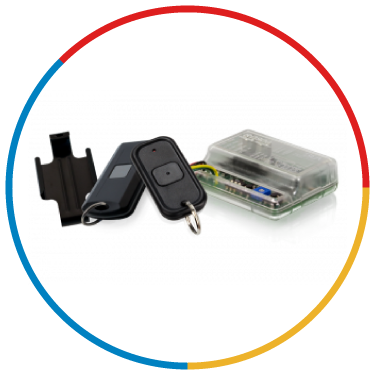
Wireless technology uses transmitters and receivers operating on specific radio frequencies. The transmitter applies a radio frequency alternating current to an antenna, which then radiates radio waves. The receiver receives the transmitted frequency and converts the information into a usable form. Radio transmitters and receivers are used for activation.
This webinar will cover:
- BEA’s wireless product line
- Technology
- Applications & uses
- Technical Specifications
-
Register nowMonday, September 14,10:00 AM - 11:00 AM
-
Register nowMonday, September 14,1:00 PM - 2:00 PM
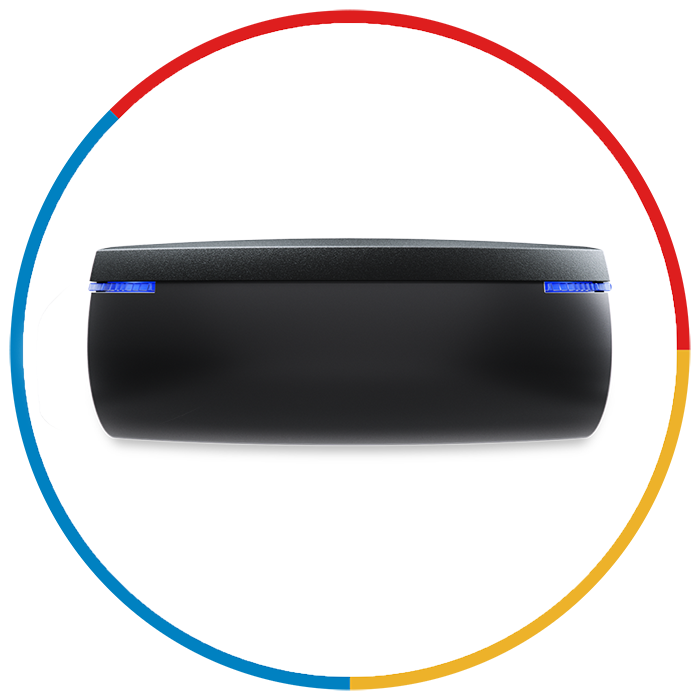
BEA’s EAGLE ARTEK is a motion sensor for all types of automatic doors. Its slim and compact design ensures discreet integration for your application. It offers superior field performance with improved filters that help to reduce false detections that lead to increased energy costs.
This webinar will cover the following:
- Sensor overview
- What’s new?
- EAGLE comparison
- Technology
- Specifications
- Mounting & wiring
- Field angle adjustments and field settings
-
Register nowMonday, September 21,10:00 AM - 11:00 AM
-
Register nowMonday, September 21,1:00 PM - 2:00 PM
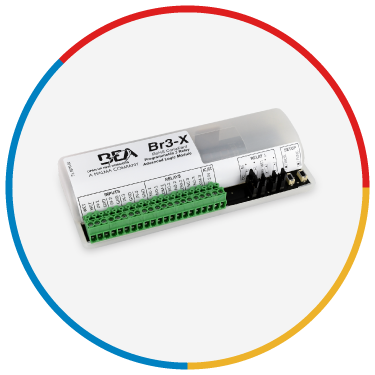
BEA’s BR3-X is a programmable, 3-relay logic module that provides both simple and advanced logic controls. Common uses for the BR3-X include automatic pedestrian doors, access control, industrial automation and single-occupancy restrooms.
This webinar session will cover:
- Product overview
- Relays
- Functions
- Applications
-
Register nowMonday, September 28,10:00 AM - 11:00 AM
-
Register nowMonday, September 28,1:00 PM - 2:00 PM
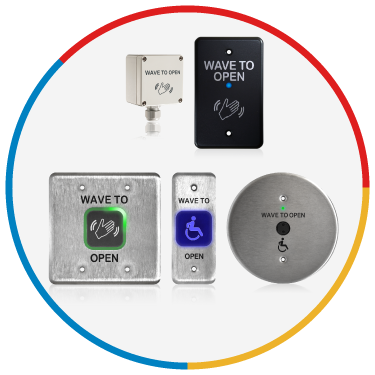
Touchless activation provides the most advanced and hygienic form of automatic door activation. BEA’s MAGIC SWITCH product line can be used on all types of automatic doors to provide an aesthetically pleasing activation solution that maximizes accessibility.
This webinar will cover:
- MAGIC SWITCH Product Line
- Technology
- Applications
- Technical Specs
-
Register nowMonday, October 5,10:00 AM - 11:00 AM
-
Register nowMonday, October 5,1:00 PM - 2:00 PM
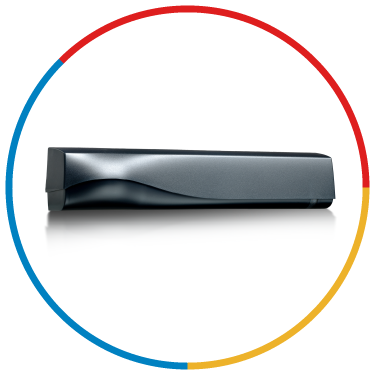
BEA’s IXIO Family features the IXIO-DT1, IXIO-DT1V, IXIO-ST, IXIO-DT1 Industrial and IXIO-ST Industrial. The IXIO-DT sensors are dual technology motion and presence sensors, combining microwave activation and infrared presence detection for the automatic sliding door industry.
The IXIO-ST sensors are effective, versatile and easy-to-use presence sensors for automatic sliding doors. They can be used for both clear door openings and side-lite protection.
This webinar will cover the following:
- IXIO Family overview
- Technology
- Detection modes
- Technical specifications
- Setup & programming
- Applications
-
Register nowMonday, October 12,10:00 AM - 11:00 AM
-
Register nowMonday, October 12,1:00 PM - 2:00 PM
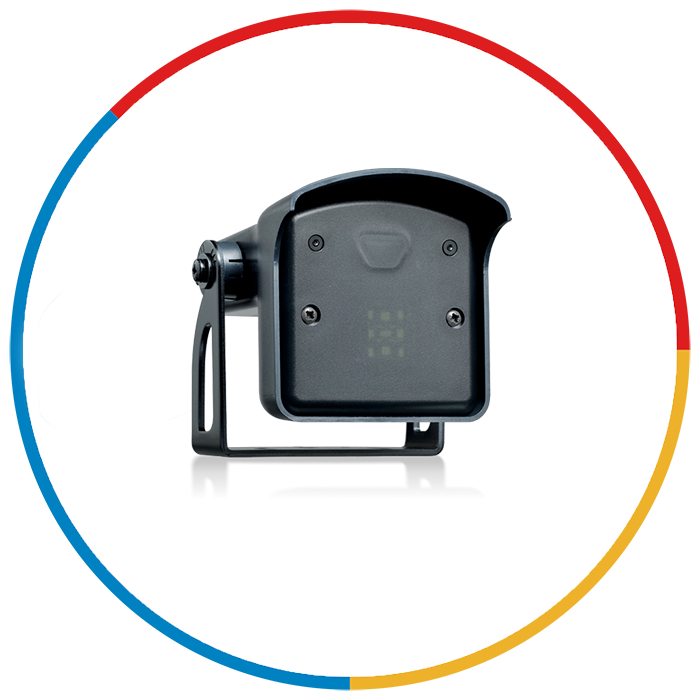
BEA’s FALCON FAMILY of sensors is the premier microwave activation solution for indoor and outdoor industrial applications. The family includes the FALCON, FALCON XL (extra-low mount) and FALCON WIDE (for wide detection areas).
This training webinar will cover:
- Family overview
- Technology
- Applications
- Adjustments & wiring
- Troubleshooting
-
Register nowMonday, October 19,10:00 AM - 11:00 AM
-
Register nowMonday, October 19,1:00 PM - 2:00 PM
See all our segments
-
-
Doors & Windows
-
Security & Access Control
-
-
-
Doors
-
Gates & Barriers
-
-
-
Autonomous Robots
-
Traffic & Transport Solutions
-
Asset Protection
-